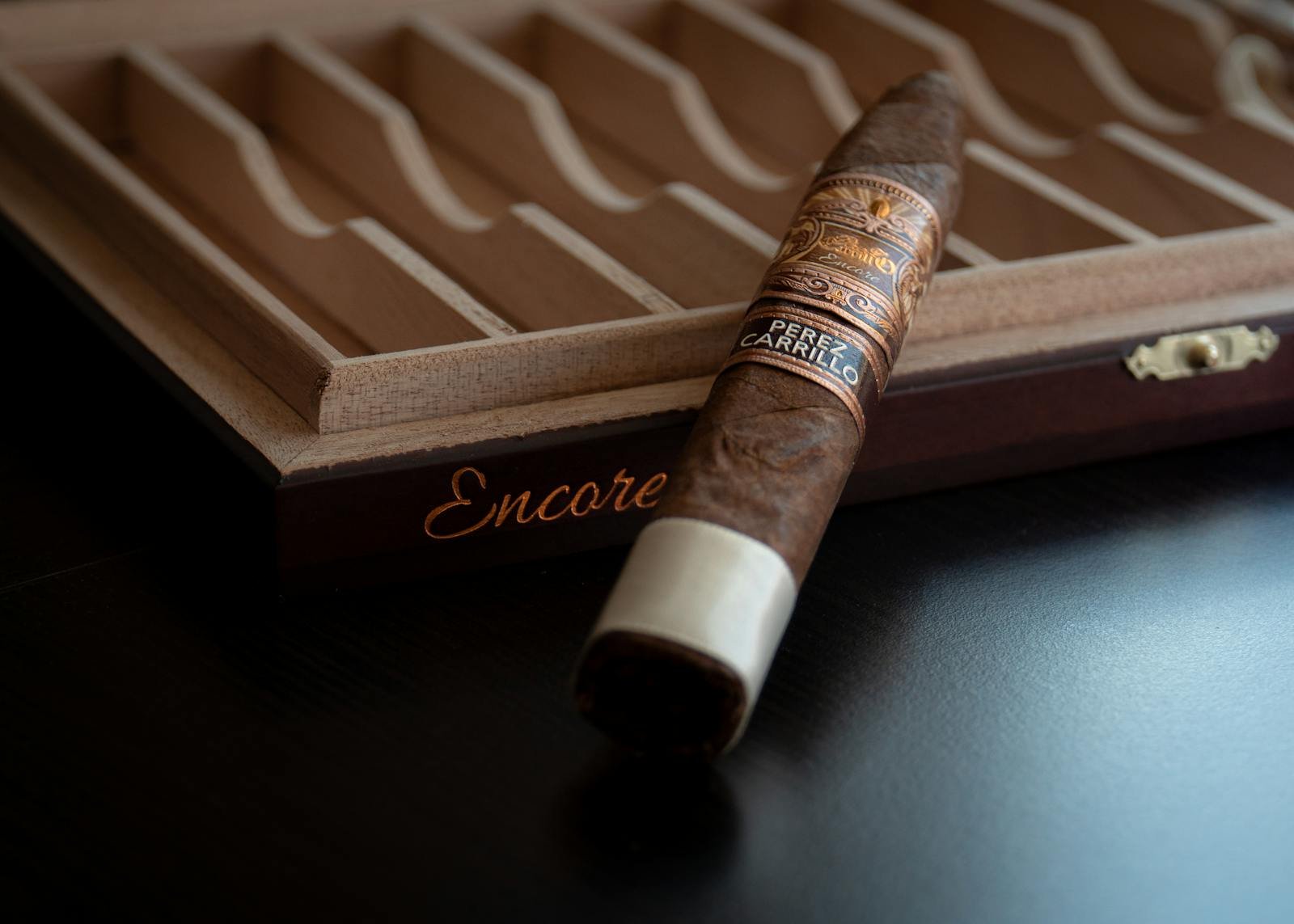
The most fascinating aspect of a Cuban cigar is that over time the taste evolves and changes. Like wine, the chemical changes in the aging process of cigars are not fully understood. The one thing that is for certain is that like wine, the aging period is measured in decades.
One of the most commonly made misperceptions is that “aging cigars” means laying your cigars down in your box for a couple of years and they will become better tasting. However, in reality the aging process is quite complicated and can be sectioned out in four different stages: stick period, first maturation, second maturation, and third maturation.
The Stick Period
During the stick period the amount of ammoniac smell is at its highest. This is because when cigars are being rolled, the leaves are moistened. That causes an accelerated rate of fermentation which releases ammonia. The large presence of ammonia in a newly rolled cigar creates a very harsh and unpleasant taste. It is recommended to rest a freshly purchased cigar for at least two to four weeks in a humidor before smoking it. The stick period is the phase when the ammonia dissipates out of the cigar.

The First Maturation
The first maturation is the period when the blend of flavours within the cigar starts to harmonize and balance. This is the first stage in which the cigar becomes a truly enjoyable smoke. The time required for the first maturation depends on the type of cigar:
- Mild cigars such as Romeo y Julieta and H. Upmann take around 2–5 years to fully complete the maturation period.
- Medium cigars such as Montecristo and Cohiba take 5–8 years.
- Full bodied cigars such as Partagas and Bolivar take between 7 and 15 years.
The actual time of course varies with each different model within the brand, and with the personal preferences of each individual.
The Second Maturation
The second maturation is the period when the degrading “tannins” within the cigar allows for a higher level of aroma and taste. “Tannins” are astringent, bitter plant polyphenols that either bind and precipitate or shrink proteins and various other organic compounds. The astringency from the tannins is what causes the dry and puckery feeling in the mouth following the consumption of an unripened fruit or red wine. Most mild cigars do not need to go through the second maturation — usually the medium to full-bodied cigars with high tannic features need the extra fermenting period to allow for the tannins to be broken down to more simple molecules. When the tannins break down into more simple molecules it results in a chemical reaction which releases a “woody sweetness” (actual wood sugars) formed by the degradation of the tannin. This process is similar to comparing a 12-year-old Scotch whisky to a 20-year or 25-year-old Scotch whisky.
The Third Maturation
The third and last maturation period is the one during which there is an accumulation of finesse. This is generated by the chemical reaction between the congeners within the cigar. The chemical reaction behind this kind of aging might be similar to the mysterious “wine in a bottle” maturing process. It’s also noteworthy to know that it takes 20 years for such finesse to be seen within a Cuban cigar. Unfortunately, the knowledge on third maturity timing in a cigar is almost non-existent.